The Nitrogen Cycle
Establishing a freshwater aquarium requires profound patience. The glass vessel must mature biologically before supporting vertebrates. This process, universally known as "cycling the tank," establishes bacterial colonies capable of transforming toxic waste into benign compounds.
When fish respirate and excrete waste, or when uneaten food decays, ammonia (NH₃) is released into the water column. Even trace amounts of ammonia are highly toxic. Specialized Nitrosomonas bacteria consume this ammonia, oxidizing it into nitrites (NO₂⁻)—which unfortunately remain toxic to aquatic life.
The cycle completes only when a secondary bacterial culture, primarily Nitrobacter, proliferates to consume the nitrites, converting them into nitrates (NO₃⁻). Nitrates are relatively harmless in low concentrations and serve as an essential fertilizer for aquatic flora.
Explore Biological Filtration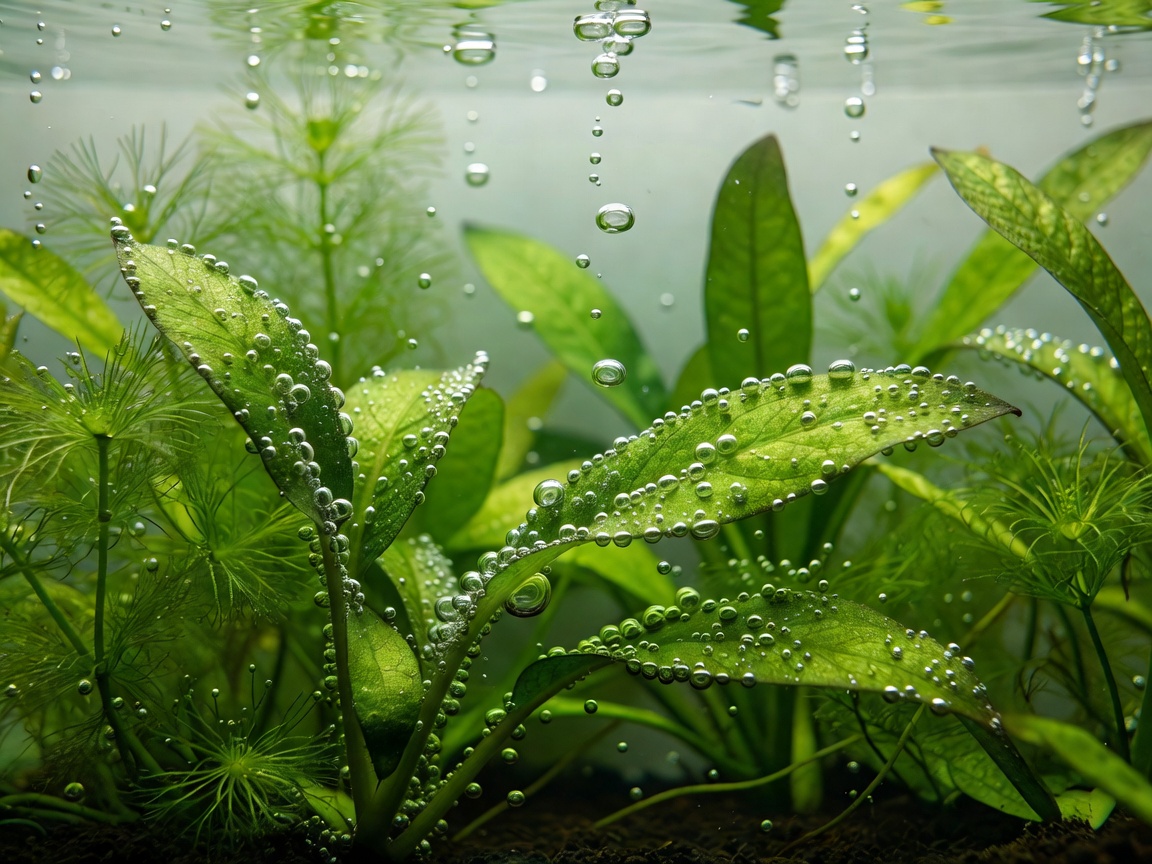
Incorporating Botanical Architecture
While artificial decor exists, integrating live aquatic plants elevates the ecosystem from a mere display to a functioning biological entity. Plants such as Anubias barteri and Microsorum pteropus (Java Fern) absorb nitrates directly from the water column, acting as an auxiliary filtration network.
This botanical underlay provides indispensable shelter for shy schooling species, reducing physiological stress. Creating a balanced architectural layout typically involves a gentle slope of nutrient-rich substrate, anchoring robust background plants, and reserving the foreground for carpet species or clear swimming lanes.